“One of the Sleepless Ones:” The Autobiographies of Winson Hudson
History is Lunch Presentation @ The Two Mississippi Museums, 2026

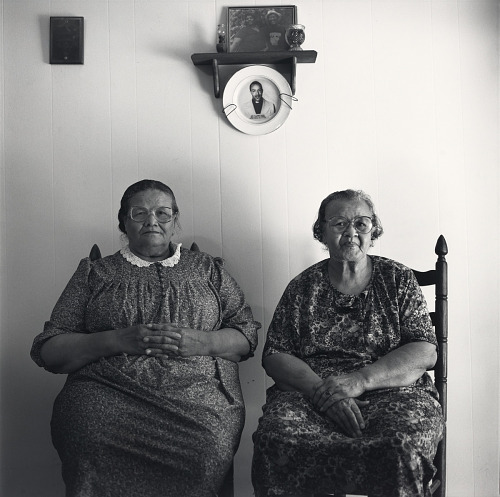
This week, I had the honor of speaking about Mrs. Winson Hudson, a central figure in the Leake County Civil Rights Movement. You can learn more about Mrs. Hudson from her grandsons and me in the video above. I also included an excerpt below of one of the drafts I discussed in the talk.

Oh come my Dear children and sit by my knee, 
and let me tell you the cost to be free.
If I don’t tell you,
you never will know
where you came from
and where you should go.
You have contributed more than any race in this nation.
Coming through hard trials and tribulations.
Fought in every war in America’s name
You have never dragged her flag to shame.
You see I’m swiftly passing away.
You can’t afford to wait another day.
If I don’t tell you,
you will never know
where you came from
and where you should go.
Winson Hudon, “If I Don’t Tell You: You Will Never Know,” 1989.

The Autobiography of Mrs. Winson Hudson, A Black Woman of Mississippi (an excerpt)

I live in Leake County. I was born here. My father and mother was born here.  My husband and I moved to Chicago a year after we were married, neither one of us liked it there. It was not long after we got there that we discovered that the black man is left out in Chicago as well as in Mississippi.

My father gave so much to Leake County. He owned one hundred acres of land and it was taken away from him for five hundred dollars.  I used to cry when I was a child, I was crying about my father and mother. I cried but I couldn’t tell anyone about my troubles.  My mother had passed when I was eight and as thousands of other Negro mothers, the cause was lack of medical attention. There were eleven children at the passing of my mother, the baby was nine days old. I sued to cry because of the hardship my father used to have to undergo. I started helping my father work at nine years old and I remember many years his whole year’s earning would have to be given to the white man who loaned money and took notes on your land till you repaid. I heard him ask for a settlement once and a white man talked about making him move. This is why I am going to be here in Leake  County. This county owes me a lot. It owes my parents and my grandparents. Now how can this debt be paid, and who is the beneficiary?

My father was a good man, and one of the bravest men I believe I have ever seen. He believed in Human Rights and dignity although his rights were always denied him in this country. My father believed in respecting the rights all people, even the rights of a child.  I believe this is why I stand solid on what I believe is right today.  My father was brave, but sometimes he seemed so worried. One morning he made it home before day-break.  He said he thought he would never see his children again.  He was coming from one of his churches, Rising Chapel, around 11:30 one night which was 24 miles from home. He was riding a fine horse named George Gainer. This was a fine saddle horse. As he was riding through the river swamps a bunch of white men stopped him and had him get off his horse.  Some of the men said let’s whip him, some said let’s kill him and throw him in the river. But one man in the crowd said “let this nigger go.” My father said he was so happy because he had seen many tragedies in his family. He said he thought about his ten (twelve?) children at home waiting for him without a mother.

My grandmother and my father talked a lot. I heard a lots of their conversations. One thing that grieved my grandmother was that her 4th son was born mentally retarded and he was hanged. He was accused of killing a white man.  My grandmother was a slave girl and at the age of 93 she could tell a lots. She told it to many people about slavery and of the trials and tribulations she had come through. The things I heard from my father and grandmother bothered me although I always thought I could get a good education and that I could help my black brothers. Now I wonder if I had had many degrees would I have used it to help the minority group or would I have failed them as many others have done.
Winson Hudson
Alice Walker, editor
1960s